
Kids First Pediatric Dental Care parent resource
What to Do After a Playground Tooth Injury This Spring in Ohio
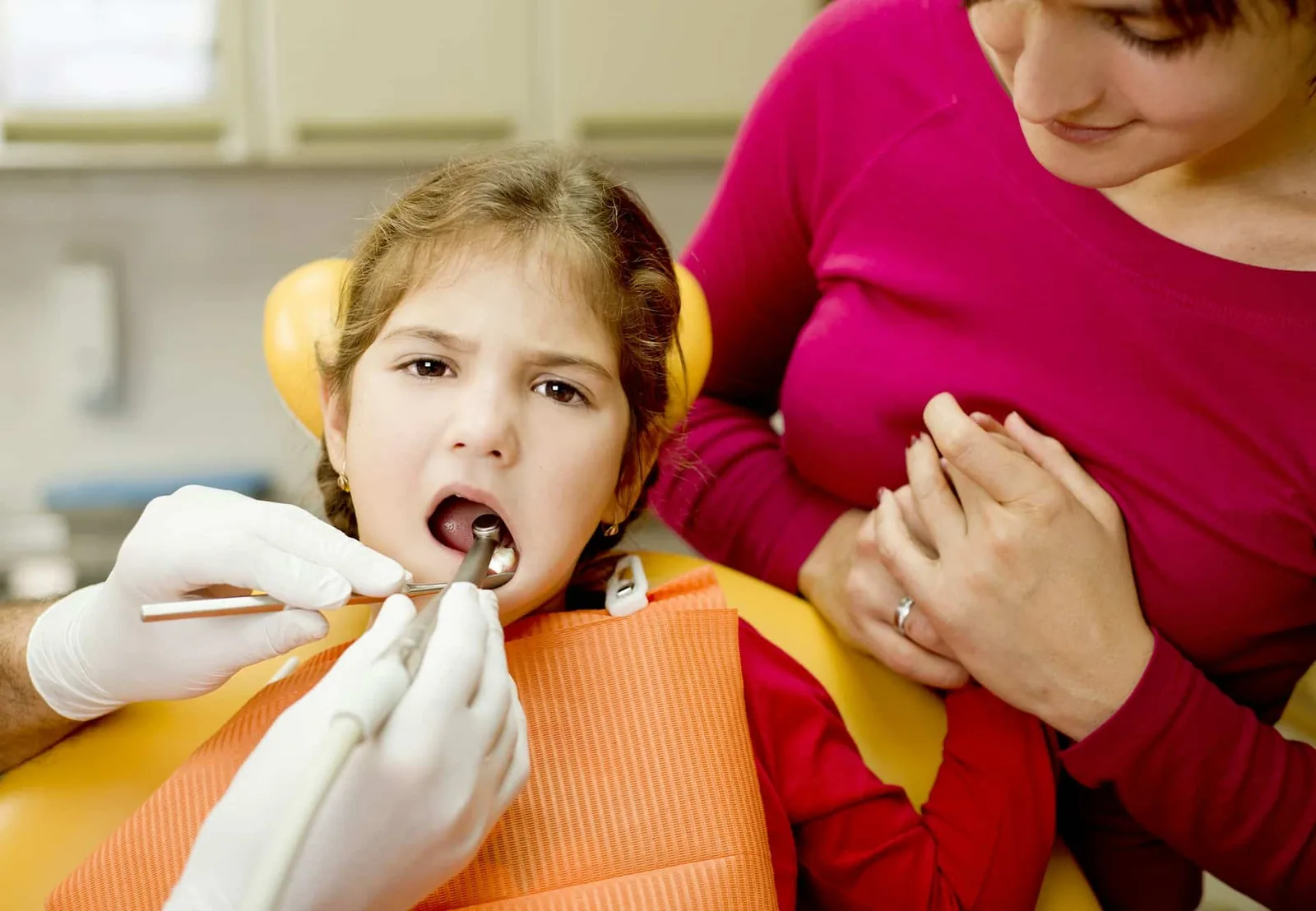
Spring weather in Zanesville, OH, means the playgrounds are finally full again. Kids are running, climbing, and jumping after being cooped up all winter. But along with all the outdoor excitement comes a new round of slips, falls, and bumps that often lead to chipped or broken teeth. Knowing what to do in those first few minutes after a mouth injury can really help reduce stress and improve the outcome. A pediatric emergency dentist can play a big role in protecting your child's smile and easing your worries when the unexpected happens.
Whether it's a knocked-out baby tooth or a painful crack in a permanent one, quick action matters. Understanding when to call, what steps to take, and how to avoid more discomfort is key when an accident happens on the playground.
What Counts as a Tooth Emergency?
Tooth injuries on the playground can range from minor chips to more serious damage. It’s not always easy to tell what needs urgent care and what can wait. Here are a few types of injuries that should be taken seriously:
• A cracked or broken tooth that causes pain or exposes the inner part of the tooth
• A tooth that has been knocked loose or completely knocked out
• Bleeding around the gums that doesn’t stop after gentle pressure
• Swelling in the face, lips, or around the tooth that shows up right after the fall
Even if an injury seems small, it’s worth calling a pediatric emergency dentist for advice. Kids’ teeth are still developing, so an injury could affect how their adult teeth grow in or cause long-term discomfort if it’s ignored.
Steps to Take Right After a Tooth Injury
When accidents happen, it’s easy to freeze or panic. But taking a few simple steps can make the situation easier for everyone involved. Start with these:
1. Stay calm so your child doesn’t get more upset
2. Check for bleeding, broken pieces of tooth, or signs of injury inside the mouth
3. If you find the tooth, hold it by the top (not the root), and gently rinse it with water
If the tooth is a permanent one and has been knocked out, try placing it back in the socket and hold it in place with gentle pressure. If that’s not possible, store it in milk or saliva and get to a dentist within an hour. Even if it’s a baby tooth, it’s still important to call and explain what happened. A quick talk can help figure out if your child needs to be seen right away.
How Spring Weather Affects Oral Injuries
Spring can bring more than warm sunshine. In Ohio, the ground is often soft and muddy from melting snow and early rains, which means more slips and falls. Plus, kids are eager to get back outside after the long winter, so they may push a little harder during games or playtime.
When the slide is slick or the monkey bars are wet, it only takes a second for a child to lose their grip and land face-first. These moments are hard to avoid, but fast action can help stop swelling, infection, and more pain. If a tooth injury does happen, treating it quickly gives your child a better chance at healing cleanly and avoiding future problems.
What to Expect at the Dentist’s Office
Once you’ve made the call and are heading in, it's helpful to know what comes next. A dental visit for a playground injury usually follows a few simple steps:
• The dentist will take a close look at the injured area and ask how the accident happened
• X-rays might be needed to check whether the root or nearby teeth are affected
• Depending on the injury, the dentist may smooth a rough edge, place a filling, or plan a follow-up visit
Most importantly, the space is set up to help kids feel comfortable even during a scary visit. The staff knows how to talk to children who are nervous or hurting. We understand that these moments are often filled with anxious feelings for both children and parents. That’s why we take our time explaining what we’re doing and checking in before each step.
Tips to Prevent Future Tooth Injuries
While not every accident can be prevented, a few simple habits can lower the risk. As kids get more active this spring, consider these ways to protect their teeth during outdoor time:
• Mouthguards are a smart idea for kids who play spring sports like soccer, baseball, or flag football
• Remind kids not to walk while eating or chewing on hard snacks like ice
• Teach them to use both hands when climbing and to avoid rough horseplay
It’s also helpful to bring them in for regular checkups. During these visits, we make sure their teeth are strong and healthy, and we can talk about risks based on their age or favorite activities. A little planning at the start of spring can go a long way in helping protect kids from sudden dental injuries.
Keeping Smiles Safe This Spring
Fast action and a clear plan can make a huge difference after a playground injury. Knowing what counts as an emergency, when to call, and how to care for a hurt tooth helps reduce the chance of lasting problems. It also helps kids feel safer about getting back outside and enjoying the season.
With Ohio's playgrounds getting busier this spring, it's smart to keep these tips in mind. Whether it's a cracked tooth, a painful bump, or something more serious, being prepared helps everyone feel more confident when accidents happen.
Don't wait to see if your child's dental injury is serious this spring. We are here to help guide you through the next steps and determine whether an immediate visit is needed. Acting quickly can make a big difference when treating a dental emergency. Learn more about how a pediatric emergency dentist in Zanesville, OH, can support your child after a fall or accident. Call Kids First Pediatric Dental Care at 740-588-5437 to schedule an appointment.
Questions about your child’s smile?
Every child’s dental needs are different. For guidance that reflects your child’s symptoms, health history, and stage of development, call Kids First Pediatric Dental Care to speak with the office.