
Kids First Pediatric Dental Care parent resource
Early Gum Disease in Children: Warning Signs Parents Often Miss
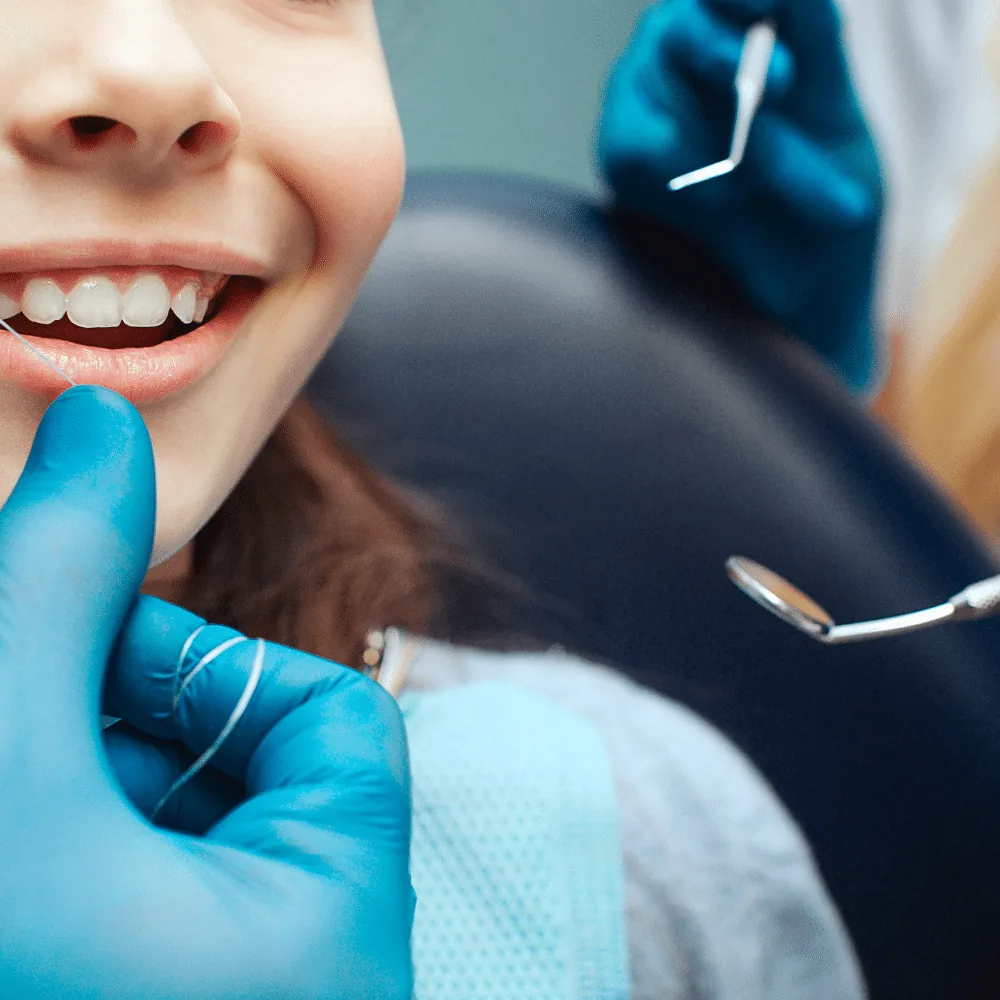
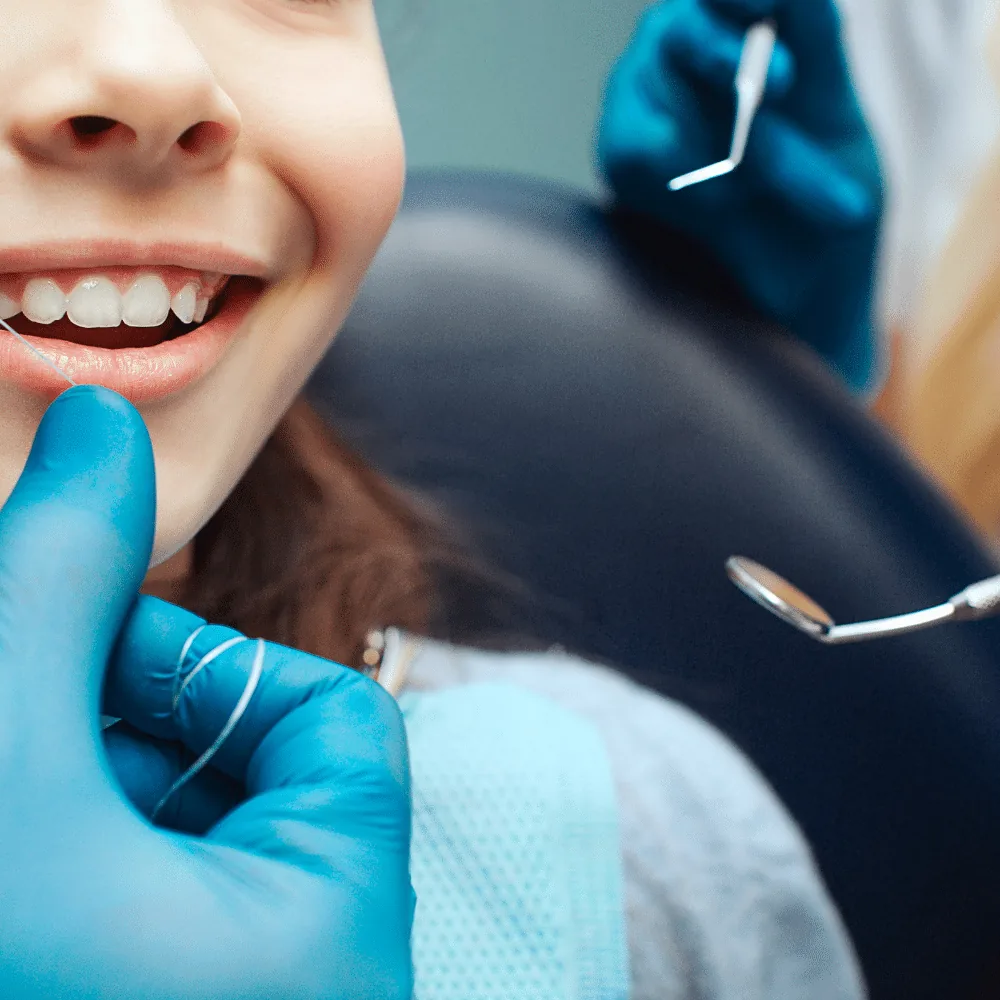
As parents, we naturally focus on our children's cavities and tooth decay, but there's another oral health concern that often flies under the radar: gum disease. While many assume gum disease only affects adults, the reality is that children can develop gingivitis and even early periodontal disease. At Kids First Pediatric Dental Care, Dr. Robert Malek and our team frequently see young patients whose gum issues could have been prevented with early detection and intervention.
Understanding the subtle warning signs of pediatric gum disease can make the difference between a simple cleaning and more extensive treatment down the road. Let's explore what every parent in Zanesville and the surrounding community should know about protecting their child's gums.
What Is Gum Disease in Children?
Gum disease begins with gingivitis – inflammation of the gums caused by bacterial buildup along the gumline. In children, this condition is often reversible with proper care, but if left untreated, it can progress to periodontal disease, which is more serious and can result in bone and tooth loss.
Unlike adult gum disease, which often develops slowly over years, pediatric gum disease can appear more suddenly. Children's immune systems are still developing, making them more susceptible to bacterial infections in the mouth. Additionally, factors like poor oral hygiene, certain medications, hormonal changes during puberty, and even genetics can increase a child's risk. The good news? Early-stage gum disease in children is highly treatable when caught promptly.
Warning Signs Parents Often Overlook
Red or Swollen Gums
Healthy gums should appear pink and firm. If you notice your child's gums looking red, puffy, or swollen, this could indicate early gingivitis. Many parents mistake this for normal variation in gum appearance, especially if the child isn't complaining of pain.
What to watch for:
- Gums that appear darker pink or red than usual
- Puffiness around the gumline
- Gums that look shiny or glossy
- Asymmetrical swelling affecting only certain areas
Bleeding During Brushing or Flossing
While occasional minor bleeding might seem normal, consistent bleeding during oral care routines is a red flag. Healthy gums shouldn't bleed from gentle brushing or flossing, even in children who are just learning proper technique.
Pay attention to:
- Blood on the toothbrush or in the sink after brushing
- Pink-tinged saliva after oral care
- Complaints of a metallic taste in the mouth
- Bleeding that occurs with minimal pressure
Persistent Bad Breath
Children can have bad breath for various reasons, from eating certain foods to mouth breathing during sleep. However, persistent halitosis that doesn't improve with regular brushing and mouthwash could signal bacterial buildup associated with gum disease.
Ask your pediatric dentist about gum disease if bad breath:
- Persists throughout the day despite oral hygiene
- Has a particularly unpleasant or "rotten" smell
- Doesn't improve with dietary changes
- Is accompanied by other oral symptoms
Changes in Eating Habits
Children with early gum disease might unconsciously modify their eating patterns to avoid discomfort. They may avoid certain foods, chew on one side of their mouth, or eat more slowly than usual.
Watch for:
- Reluctance to eat hard or crunchy foods
- Favoring softer foods without explanation
- Complaints about food "hurting" their mouth
- Decreased appetite or slower eating pace
Less Obvious Signs That Require Attention
Receding Gums
While gum recession is more common in adults, it can occur in children, particularly those who brush too aggressively or have naturally thin gum tissue. Parents might not notice subtle gum recession, especially if it occurs gradually.
Loose Teeth (Outside Normal Shedding)
If your child has loose teeth that aren't part of the natural shedding process for primary teeth, this could indicate advanced gum disease affecting the supporting structures of the teeth.
Sensitivity to Temperature
Increased sensitivity to hot or cold foods and drinks can sometimes relate to gum recession or inflammation, not just tooth decay.
Mouth Sores or White Patches
Recurring mouth sores, white patches on the gums, or areas of irritation that don't heal within a week or two warrant professional evaluation.
Risk Factors That Increase Vulnerability
Understanding which children are at higher risk helps parents stay more vigilant about gum health monitoring.
- Poor oral hygiene habits: Children who struggle with consistent brushing and flossing naturally accumulate more plaque and bacteria along the gumline.
- Hormonal changes: Adolescents going through puberty experience hormonal fluctuations that can make gums more sensitive and prone to inflammation.
- Certain medical conditions: Children with diabetes, immune system disorders, or other chronic health conditions may be more susceptible to gum disease.
- Medication side effects: Some medications can cause dry mouth or gum overgrowth, creating conditions that promote bacterial growth.
- Mouth breathing: Children who breathe primarily through their mouths, whether due to allergies, enlarged tonsils, or habit, may experience increased gum irritation and bacterial buildup.
Prevention Strategies for Parents
Establish Consistent Oral Hygiene Routines
Help your child develop proper brushing and flossing techniques early. Children should brush twice daily with fluoride toothpaste and floss once daily once they have teeth that touch.
Monitor Diet and Snacking Habits
Limit sugary and starchy snacks that feed harmful bacteria. Encourage water consumption throughout the day to help rinse away food particles and bacteria.
Schedule Regular Professional Cleanings
Professional cleanings every six months allow our team to remove plaque and tartar that home care might miss, while also monitoring for early signs of gum disease.
Address Underlying Health Issues
Work with your child's pediatrician to manage conditions like allergies or breathing issues that might contribute to oral health problems.
When to Seek Professional Help

Don't wait for obvious symptoms to schedule a dental appointment. Regular checkups allow Dr. Malek and our team to catch gum disease in its earliest, most treatable stages. Contact Kids First Pediatric Dental Care immediately if you notice persistent bleeding from the gums, significant swelling or redness, complaints of gum pain or sensitivity, changes in your child's eating patterns, or persistent bad breath despite good oral hygiene.
Ready to protect your child's smile?
Early detection and prevention are your child's best defense against gum disease, and our team is here to support your family every step of the way. Call Kids First Pediatric Dental Care at 740-796-8517 to schedule your appointment with Dr. Robert Malek and experience the difference comprehensive, compassionate pediatric dental care makes.
Questions about your child’s smile?
Every child’s dental needs are different. For guidance that reflects your child’s symptoms, health history, and stage of development, call Kids First Pediatric Dental Care to speak with the office.