
Kids First Pediatric Dental Care parent resource
Why Fluoride Treatments Matter More for Kids in Rural Ohio
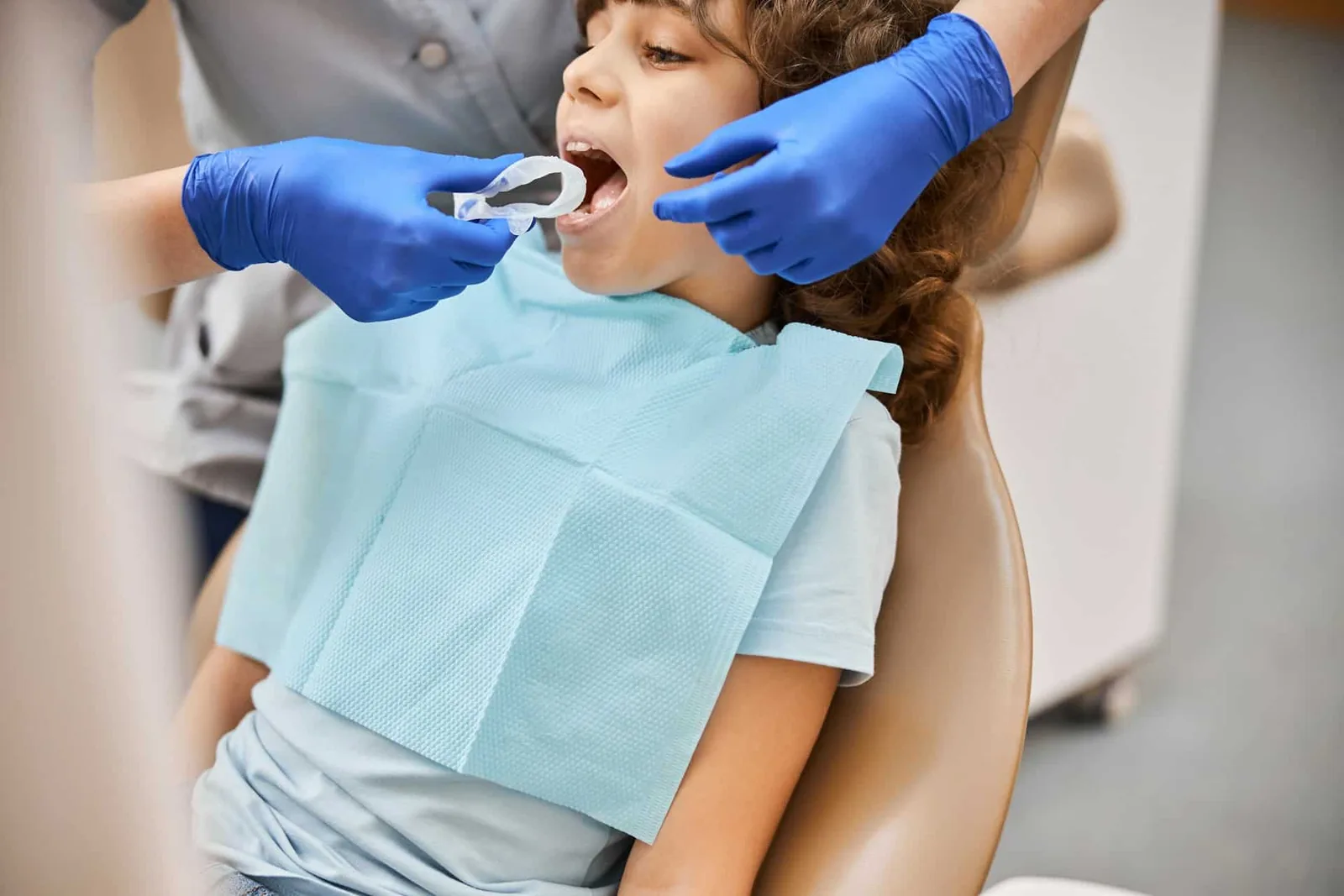
In many parts of Ohio, including rural areas around Zanesville, good dental care isn't always quick or close. For families living outside cities, clean water and steady dental support can be harder to get. Some kids don’t grow up with fluoridated water, and long drives or packed schedules can lead to skipped checkups. That’s where pediatric fluoride treatment becomes even more important.
This simple step helps protect a child’s teeth, especially when other forms of care are harder to come by. For children growing up in rural areas, fluoride treatments give their teeth added strength and a better chance of staying healthy as they grow. Oral health is closely tied to a child's ability to focus, feel confident, and succeed at school or in all their daily activities, and strong teeth are part of establishing these habits early.
How Rural Living Affects Kids’ Teeth
When we think about healthy teeth, we often think about brushing and limiting sugar. But where a child lives makes a big difference in their dental health too.
Here’s how rural living can affect kids’ teeth and oral routines:
• Most rural homes rely on well water, which doesn’t have added fluoride.
• There are fewer pediatric dentists, so families may need to travel quite a distance for regular visits.
• It’s easier to fall into snacking habits with sugary foods, especially when kids pack lunches at home or have less access to fresh foods.
All of these factors added together raise the chances that a child might develop cavities or gum problems over time. If there’s no fluoride in the water and no dentist close by, it’s tough to stay ahead of dental issues. Missing even a few important checkups or preventive steps can create more work later on for both parents and children. Fluoride treatments, when done a few times a year, can help fill those gaps.
Rural children may also have less access to oral health education, meaning families might not receive reminders about the importance of brushing properly, flossing, or how particular snacks and drinks can increase risk for decay. Sometimes, local schools may provide dental health programs, but these aren't always a substitute for consistent care at home. Parents may be unaware that the water from their taps isn't fortified, which leads to a silent risk for their children's growing teeth. All of this highlights the need for parents and caregivers to ask their dentist about possible fluoride supplements beyond daily toothpaste use.
How Fluoride Strengthens Growing Teeth
Fluoride might just seem like something in toothpaste, but it does a very specific job. It helps rebuild the protective outer layer of teeth (called enamel) after damage from everyday eating and drinking. Without fluoride, enamel can wear down faster, especially on baby teeth that are still learning how strong or weak they are.
When fluoride is part of a regular dental care plan, growing teeth stay stronger longer. Here’s why that matters:
• Baby teeth hold space for permanent teeth, and early loss can cause spacing or speech problems.
• Permanent teeth start forming while baby teeth are still in the mouth, so early care helps them last.
• Fluoride makes it harder for harmful bacteria to stick to teeth and start decay.
Strong enamel is the first defense against the acids formed by bacteria feeding on sugars. In kids, new teeth are highly vulnerable because their mineral content is lower at first, so daily exposure to food and drinks leaves them at risk. With fluoride, these tooth surfaces absorb small minerals that help toughen the enamel, reversing or stopping the earliest signs of decay before cavities form. This means children who get enough fluoride growing up often face fewer fillings and dental problems in the years ahead.
If rural water doesn’t include fluoride, or if parents aren’t sure whether their kids are getting enough through brushing alone, then professional fluoride care becomes much more helpful. Especially in rural settings where resources might be limited, professional fluoride is a simple, cost-effective way to give added protection.
Pediatric Fluoride Treatments at the Dentist’s Office
During a fluoride treatment, there’s nothing painful or scary. It’s a fast, gentle process made for small smiles. A dental professional paints a layer of fluoride onto the child’s teeth. That layer sticks to teeth for several hours, helping to build stronger enamel.
Here’s what parents can expect at an appointment:
• Quick treatment that takes just a few minutes after a cleaning or checkup.
• A thick coating (usually clear or slightly colored) applied with a small brush.
• Instructions to avoid eating or drinking for a short time, then regular life continues.
This kind of pediatric fluoride treatment is more effective than what brushes or rinses can do at home. The fluoride used in the office is stronger and stays on teeth longer. Kids in areas without fluoridated water may benefit from these treatments a few times a year. That extra protection can make a big difference, especially for children who are just starting to understand how to brush and floss correctly.
The process is designed to be both safe and convenient even for the youngest children. If a child moves or becomes anxious in the chair, dental staff have gentle techniques to help them relax. The taste and feel of the treatment are mild, and there are no needles or drilling required. Once the session is over, children can return to their regular activities with just a few simple instructions from their provider.
Regular fluoride appointments also give dental teams a chance to check the overall progress of tooth and gum health. These brief visits keep parents updated on how their child's oral hygiene is going and offer a moment to ask questions or get tips on brushing and diet for better outcomes at home.
Seasonal Considerations in Rural Ohio
March in Ohio means fast-changing weather. One day it's sunny; the next it’s wet and muddy. Rural roads may still be soft from snowmelt, and families may push off travel until things dry up more in April.
That makes this the right time to pencil in a spring dental checkup. Winter routines, especially during cold months when outdoor activity is lower, can lead to more snack breaks and skipped brushing sessions. Parents may find that with kids at home more, it’s harder to keep up with daily routines or to buy fresh produce at local stores. Spring signals a new start and organizing a dental visit around this time helps families renew their oral health priorities, as well as get ahead of any small problems before the busy summer begins. Starting off the season with a fluoride treatment gives kids a reset before spring sports, school tests, and long weekends make schedules even busier.
It’s also a smart idea to plan treatments before summer break. Appointments fill up quickly once school is out, and having a spring visit means one less thing to plan during June and July. As the weather improves, scheduling flexibility can be limited, and last-minute dental concerns could mean longer drives or waiting lists for rural families. By addressing preventive care in spring, families can enjoy their summer plans with confidence.
For those living outside town centers, longer drives or dirt roads may complicate getting to a dental visit, especially in wet weather. Planning ahead for drier weather or when road conditions are more reliable can ensure treatments aren't missed due to travel challenges.
Brighter Smiles Start with Small Steps
Protecting a child’s smile doesn’t have to mean big changes. Fluoride is a small step that builds real strength into teeth during the most important stages of growth. For kids in places where fluoride is missing from tap water, or where visits to the dentist don’t happen as often, treatments become even more helpful.
Kids who grow up with stronger enamel deal with fewer cavities and feel more confident with their smiles. A quick visit every few months, combined with healthy at-home brushing, makes a big impact over time. Taking action now helps keep those growing teeth on track.
Encouraging daily routines that include good oral hygiene, regular brushing with fluoridated toothpaste, and mindful snacking choices can work in tandem with professional fluoride treatments to build lifelong healthy habits. Even in rural settings where resources may be limited, these consistent efforts are the key to lasting results. Small steps, repeated over time, shape the health and confidence of every child in the community.
To schedule your child’s next fluoride treatment, call Kids First Pediatric Dental Care at 740-588-5437.
Regular dental visits help close the gap when your child doesn’t get fluoride from tap water. We offer fast, simple options like a pediatric fluoride treatment to help keep young smiles strong no matter where you live in or around Zanesville, OH. Our treatments quietly stop decay and support healthy habits as they form. At Kids First Pediatric Dental Care, we believe that small steps lead to big results. To schedule your child’s next fluoride treatment, call us at 740-588-5437.
Questions about your child’s smile?
Every child’s dental needs are different. For guidance that reflects your child’s symptoms, health history, and stage of development, call Kids First Pediatric Dental Care to speak with the office.