
Kids First Pediatric Dental Care parent resource
How to Tell If Your Infant’s Bottle Habits Are Harming Their Teeth
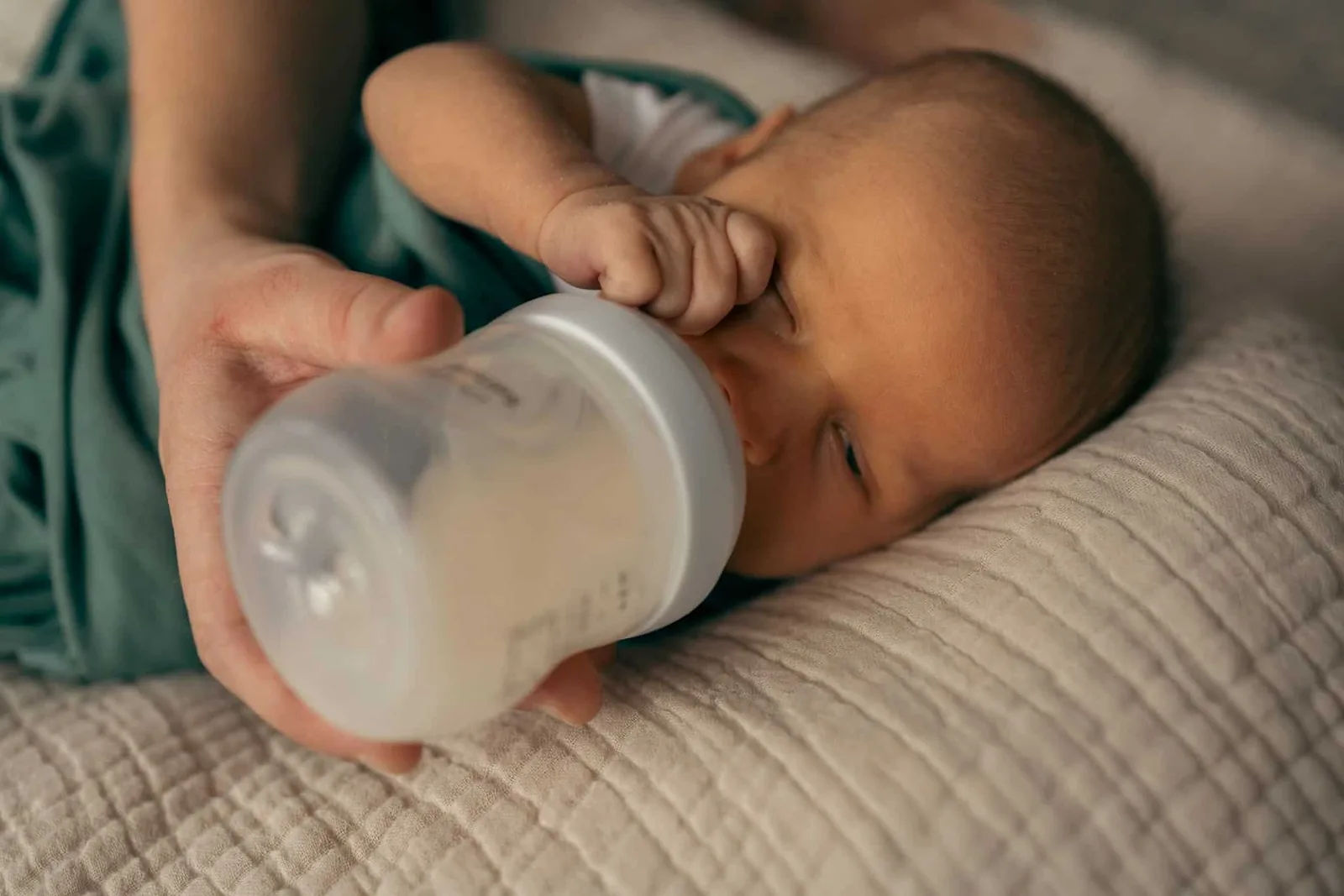
Bottles are a safe, comforting part of many babies' routines, especially in their first year. Whether they’re feeding before bed or calming down after a cry, it can feel like a natural instinct to offer a bottle. But as comforting as they are, some bottle habits can quietly affect a baby’s teeth in ways that are easy to miss, especially for tired, busy parents trying to do what’s best.
Infant dental care starts much earlier than many people expect. It’s not just about brushing. The way your child uses their bottle every day can shape how their smile looks years from now. That’s why knowing the early signs of a possible tooth issue can help you stay one step ahead.
Watch for Too Much Nighttime Bottling
Night feeds are pretty common in the first year, but if they stretch into toddlerhood or your baby falls asleep with a bottle regularly, it might be time to pause and recheck the routine.
What many parents don’t realize is that milk, even breast milk or formula, has natural sugars. When a baby drinks from a bottle while falling asleep, those sugars can sit in their mouth for hours without being washed away by saliva. With little movement in the mouth overnight, this quiet exposure becomes a feeding ground for early tooth decay. That is why we talk with parents about avoiding letting little ones fall asleep with a bottle or being nursed to sleep, and about gently wiping the gums or teeth clean after each feeding during early infant visits in Zanesville, OH.
Here are a few signs to look for if you’re wondering whether nighttime bottling might be causing problems:
• Yellow or brown stains near the gumline
• Swollen or red gums in the morning
• Fussiness when brushing or wiping their teeth
If any of these feel familiar, it may be worth bringing them up during your child’s next dental visit.
Sweet Drinks and Sugary Liquids
Even when we cut back on soda and candy, there are still everyday drinks we forget to flag. It’s easy to think of juice as a healthy treat, especially if it’s labeled as "100% fruit." But juices, sports drinks, and even flavored waters can wear down baby teeth if they’re offered often. Add in sippy cups that stay in the mouth for long stretches, and the risk grows faster than you might expect.
Common sugary drinks that can cause harm include:
• Apple, grape, and orange juice
• Flavored milk or sweetened formulas
• Fruit punches or toddler “hydration” drinks
Try using water between meals if your baby wants something to sip on. It keeps them hydrated and helps rinse away any leftover sugars.
Spotting Early Signs of Trouble
Tooth problems usually don’t show up all at once. They often build up quietly, and the first signs are easy to miss unless you know what to look for. When it comes to infants and young toddlers, it’s not always about pain. Some of the earliest hints come through changes in behavior or how their teeth look up close.
Here are a few things that might mean it’s time to check in with a dentist:
• White spots on teeth, especially near the gum
• Mild chronic bad breath, even after brushing
• Tears or discomfort when using a toothbrush or wipe
• Visible wear or shifting of front teeth from extended bottle sucking
Developmental signs like spacing issues or front teeth pointing outward can also happen over time, especially if the bottle stays in their routine longer than expected. If something seems off, it’s okay to ask for a second look. Early visits can make a big difference and save your child from more difficult treatments later on.
Good Habits to Start Early
Even small changes can help protect your baby’s teeth as they grow. Many parents are surprised to hear they should start cleaning their child’s mouth before the first tooth even appears, but starting simple habits early lays the groundwork for lifelong care. The American Academy of Pediatric Dentistry recommends that babies see a dentist by their first birthday or within six months of the first tooth coming in, and we follow this guidance when planning early visits.
Here are some better bottle habits to consider:
• Try to avoid bottles during sleep unless medically needed
• Don’t dip pacifiers or bottles in syrup, juice, or honey
• Begin weaning from the bottle to cup between 12 and 18 months
• Offer water between meals, instead of milk or juice
You don’t need to make big changes overnight. Slow, steady shifts help your child adjust without stress, and they help build more routine-friendly practices for everyone at home.
Having strong routines at home supports infant dental care in bigger ways than most people realize. And if there’s ever a question, that’s what dental visits are for, they give you clear feedback without guessing your way through it.
Healthier Smiles Start with Awareness
Baby teeth may seem temporary, but they’re important. They guide adult teeth into place, shape a child’s ability to chew and talk, and support jaw growth. When something disrupts that early phase, like decay caused by bottle overuse, it can have long-lasting effects that reach far beyond early childhood.
Being aware doesn’t mean being perfect. It just means keeping an eye out and feeling comfortable asking for support when something looks off. Catching small problems now can save your child from pain or stress later, and it helps you feel confident in your parenting choices.
On these freezing January mornings in Zanesville, Ohio, warm bottles are still part of many babies’ daily routines. The trick is to know how to use them safely and when it might be time to make small changes. Whether it’s adjusting your feeding schedule, swapping what goes in the bottle, or setting up a quick visit, your child’s future smile will thank you for the little steps you take today.
Noticing changes in your baby's teeth or bottle routine can be concerning, but we are here to help you understand what is normal and when a second look is needed. At Kids First Pediatric Dental Care, we care about best practices for baby teeth, offering guidance built around real families in Zanesville, OH, so you feel confident in your routine. Learn more about how we support infant dental care from the start, and call us at 740-588-5437 to schedule an appointment.
Questions about your child’s smile?
Every child’s dental needs are different. For guidance that reflects your child’s symptoms, health history, and stage of development, call Kids First Pediatric Dental Care to speak with the office.