
As parents in Zanesville and the surrounding Ohio community, we know you want the best for your child’s oral health. When Dr. Robert Malek and our team at Kids First Pediatric Dental Care recommend a pediatric crown, you might feel concerned or uncertain about what this means for your little one. Rest assured, pediatric crowns are a common, safe, and highly effective treatment that can save your child’s natural tooth while they wait for their permanent teeth to arrive.
What Are Pediatric Crowns?
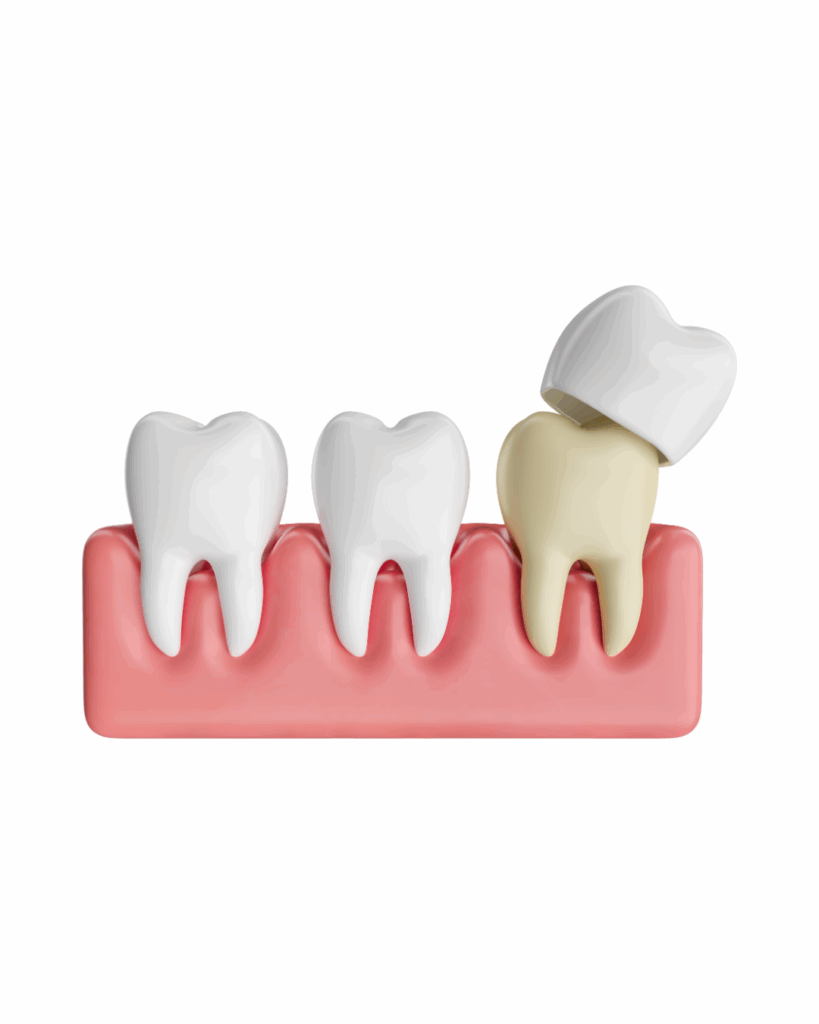
A pediatric crown is a tooth-shaped cap that completely covers a damaged or decayed baby tooth. Think of it as a protective helmet for your child’s tooth — it shields the remaining healthy tooth structure from further damage while maintaining proper function for chewing and speaking.
Unlike adult crowns that are designed to last decades, pediatric crowns serve as temporary guardians. They protect baby teeth until they naturally fall out to make room for permanent teeth, typically between ages 6 and 12.
Types of Pediatric Crowns We Use
At Kids First Pediatric Dental Care, we offer several crown options to meet your child’s specific needs:
- Stainless Steel Crowns: The most common and durable option for back teeth
- Tooth-Colored Crowns: Aesthetic options for front teeth that blend naturally
- Zirconia Crowns: White, metal-free crowns that offer excellent durability
When Does Your Child Need a Pediatric Crown?
Dr. Malek may recommend a crown when a baby tooth has been significantly damaged but still has healthy root structure. Common situations include:
Extensive Tooth Decay
When cavities are too large for traditional fillings, crowns provide comprehensive protection. Our advanced digital x-ray technology helps us detect decay early and determine the best treatment approach.
Tooth Fractures or Trauma
Active children sometimes experience dental injuries from falls, sports, or accidents. Crowns can restore fractured teeth and prevent further damage.
After Pulp Therapy
Following procedures like pulpotomies (baby root canals), crowns protect the treated tooth and restore full function.
Developmental Defects
Some children are born with teeth that have weak enamel or structural problems. Crowns provide the strength these teeth need.
The Pediatric Crown Procedure: What to Expect
Understanding the process can help ease both your and your child’s anxiety about the procedure.
Initial Consultation and Examination
Dr. Malek will thoroughly examine your child’s tooth using our state-of-the-art digital x-rays and 3D scanning technology. This advanced imaging helps us see exactly what’s happening inside the tooth.
Comfortable Treatment Experience
We pride ourselves on creating a relaxed, comfortable environment for our young patients. The crown procedure typically involves:
- Gentle numbing of the area around the tooth
- Careful removal of decay or damaged tooth structure
- Shaping the tooth to fit the crown properly
- Placement of the custom-fitted crown
- Final adjustments to ensure comfortable bite
Benefits of Pediatric Crowns
Choosing crown treatment for your child offers numerous advantages over tooth extraction.
Preserving Natural Tooth Function
Baby teeth serve important functions beyond just chewing. They:
- Help maintain proper spacing for permanent teeth
- Support normal speech development
- Contribute to your child’s self-confidence
- Allow normal eating habits and nutrition
Preventing Future Dental Problems
When baby teeth are lost too early, several complications can occur:
- Space loss: Adjacent teeth may shift, causing crowding
- Bite problems: Changes in tooth position affect how teeth come together
- Speech difficulties: Missing teeth can impact pronunciation
- Eating challenges: Difficulty chewing certain foods
Caring for Your Child’s Crown
Pediatric crowns are designed to withstand normal childhood activities, but proper care ensures they last until the baby tooth naturally falls out.
Daily Oral Hygiene
Maintain regular brushing and flossing routines:
- Brush twice daily with fluoride toothpaste
- Floss around the crown carefully
- Use an age-appropriate mouthwash if recommended
Dietary Considerations
While crowns are durable, certain foods should generally be avoided:
- Hard candies that could crack the crown
- Sticky foods like caramel or taffy
- Ice chewing which can damage any dental work
- Very hard foods like popcorn kernels
Regular Check-ups
Continue bringing your child to Kids First Pediatric Dental Care for regular cleanings and check-ups. Dr. Malek will monitor the crown and surrounding teeth to ensure everything remains healthy.
Addressing Common Parent Concerns
“Will the Crown Hurt My Child?”
Modern pediatric dentistry prioritizes comfort. We use gentle techniques and ensure your child is completely numb before beginning any procedure. Most children experience minimal discomfort during and after crown placement.
“How Long Will the Crown Last?”
Pediatric crowns are designed to last until the baby tooth naturally falls out. With proper care, they can function perfectly for several years.
“What If the Crown Falls Off?”
While uncommon, if a crown becomes loose or falls off, contact our office immediately. We can usually recement it quickly and easily.
Ready to Give Your Child the Dental Care They Deserve?
Don’t wait if your child is experiencing tooth pain or has visible damage to a baby tooth. Early intervention often leads to simpler, more comfortable treatments. Call Kids First Pediatric Dental Care today at (740)-796-8517 to schedule an appointment with Dr. Malek and our caring team.
